


Scrolling online for baby gear makes it seem like your newborn needs specialized gadgets, twenty swaddles, a wipe warmer, three strollers, and a nursery worthy of a magazine cover. It is no wonder so many first-time parents feel overwhelmed before the baby even arrives.
The truth is much simpler: babies do not need nearly as much as the baby industry would have you believe. What they truly need is safety, comfort, nourishment, sleep, and caregivers who are not buried under clutter and stress.
If you are preparing for your first baby and want to keep things simple, calm, and manageable, this guide will walk you through what actually matters during the first year, and what you can confidently skip.
What Do You Really Need for a Baby as a Minimalist?
Minimalist parenting starts with understanding one simple idea: babies grow quickly, and most products are temporary. Before buying anything, ask yourself whether the item serves a real daily purpose or simply solves a problem you do not actually have yet.
At the core, your baby needs only a few categories of essentials:
- A safe place to sleep
- Clothing appropriate for the season
- Feeding supplies
- Diapers and hygiene basics
- Transportation gear
- A few comfort and developmental items
That is it.
The minimalist approach also acknowledges that babies change fast. What works at two weeks won't work at four months. Buying in bulk or loading up on newborn gear before your baby arrives is one of the most common (and expensive) mistakes new parents make. Buy less upfront, see what your baby actually likes and needs, then fill in the gaps.
Minimalism also helps reduce mental clutter. Fewer products mean less cleaning, less organizing, fewer decisions, and less pressure to constantly upgrade. During the exhausting first year, simplicity can feel like a gift.
What Are the Most Needed Necessities for a Baby?
When you strip away the marketing and trendy extras, a surprisingly short list covers most of what babies actually need during the first year.
1. A Safe Sleep Space
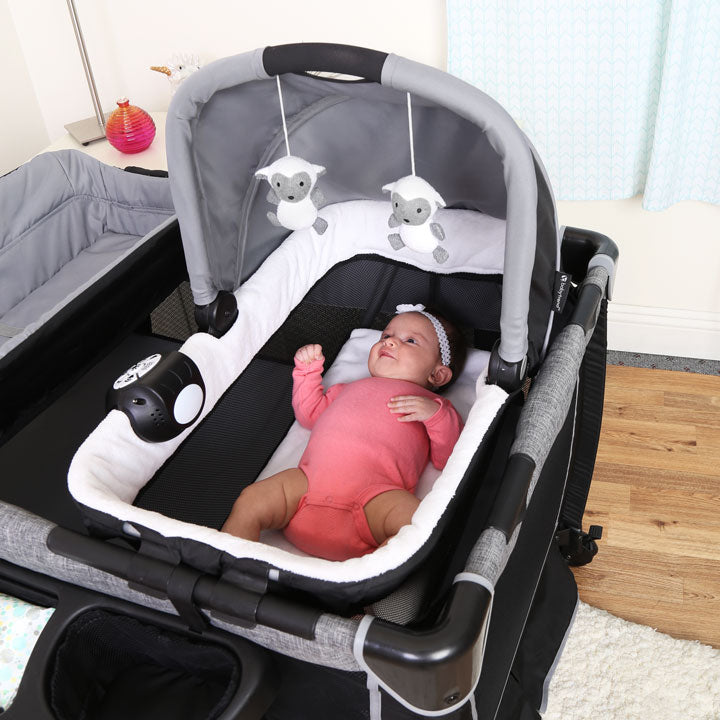
A crib or portable playard with a firm mattress is one of the most important purchases you will make. A firm, flat crib or bassinet that meets current safety standards. No bumpers, no pillows, no extras. A portable playard can do double duty if you travel with baby.
2. Diapers and Wipes
Buy a small stash in newborn size, then stock up in size 1. Babies grow faster than you think. Stocking up gradually can help spread out the cost.

3. Simple Clothing
Newborns live in sleepers, onesies, and zip-up pajamas. Fancy outfits are adorable, but practical basics are what you will actually use every day.
4. Feeding Supplies
For breastfeeding parents, this may include nursing bras, burp cloths, breast pads, and a pump. Formula-feeding families will need bottles, formula, and cleaning supplies.
5. A Reliable Car Seat
Even minimalist parents need a safe, properly installed car seat. It is one item where safety standards matter more than trends.

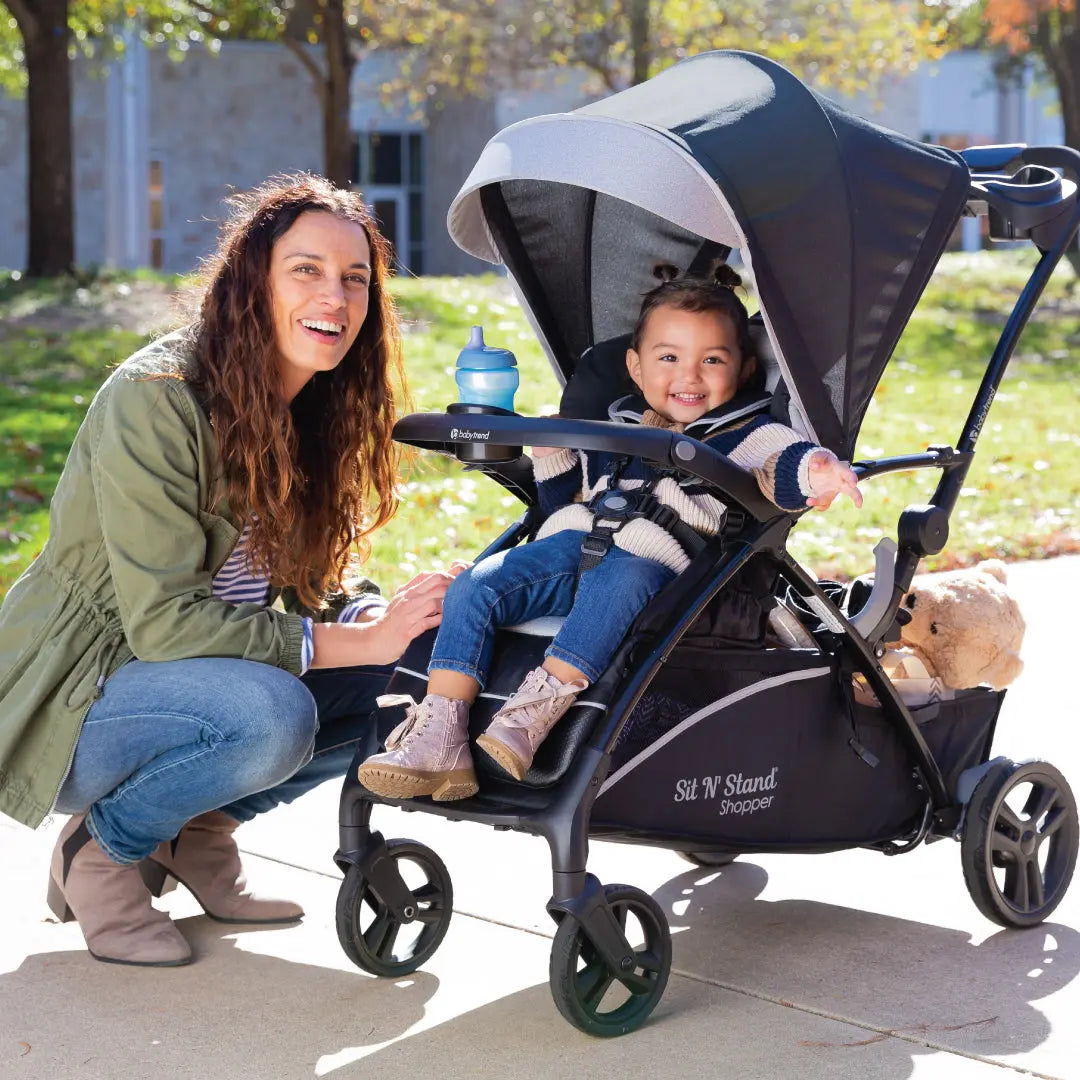
6. A Baby Carrier and/or Stroller
- Baby carrier or wrap — Hands-free carrying is a game-changer, especially in the early weeks.
- Stroller or travel system — Choose one that fits your lifestyle (urban walker vs. suburban driver).

7. Burp Cloths and Bibs
You will use these constantly during feeding and teething stages.
8. Basic Bath Supplies
A gentle baby wash, soft towels, washcloths, and a simple infant tub are usually enough.
9. A Small Collection of Toys
Babies do not need mountains of toys. A few sensory toys, books, and tummy-time items go a long way.

That's your foundation. Everything else is optional and can be added based on what you discover you actually need as you go.
What Are New Mom Must-Haves?
One of the biggest mistakes new parents make is focusing entirely on baby while forgetting the recovery and comfort needs of the mother. Minimalist parenting should include simplifying life for parents too.
For new moms, practical comfort items matter much more than luxury gadgets.
Some of the most appreciated postpartum essentials include:
- Comfortable nursing-friendly clothing
- Large water bottles
- Easy snacks that can be eaten one-handed
- Nipple cream or breastfeeding support supplies
- Postpartum recovery products
- Supportive pillows
- A simple diaper caddy for multiple rooms
- Hands-free baby carriers
Sleep deprivation changes everything during the first year. Convenience becomes incredibly valuable. Instead of creating a picture-perfect nursery, many moms benefit more from organizing essentials in ways that reduce unnecessary movement and effort.

Mental health support matters too. Minimalist parenting often removes pressure to "do everything perfectly." It allows new moms to focus more on bonding and less on managing endless products and expectations.
What About Dad?
Minimalist parenting works best when both parents are actively involved and equipped with what they need.
New dads often appreciate practical items that help them confidently participate in baby care from day one. Some useful dad-friendly essentials include:
- Comfortable baby carriers
- Easy-to-use diaper bags
- Travel-friendly strollers
- Bottle prep stations
- Portable changing pads
- A dedicated space for nighttime feeding supplies
Many dads also benefit from simplifying expectations. You do not need to become an expert overnight. Babies do not require perfection; they need consistency, patience, and attention.

What Is Good Advice for First-Time Parents So They Don't Overdo It?
The best advice for first-time parents is surprisingly simple: wait before buying more.
Most baby products are marketed as urgent necessities when they are really optional conveniences. You do not need to solve every hypothetical parenting problem before your baby arrives.
Wait to buy non-essentials.
You don't know yet whether your baby will hate the swing or live in it. Whether they'll sleep in the bassinet or refuse it. Whether you'll need a white noise machine or whether your HVAC system does the job.
Buy the basics before birth and let the first few weeks tell you what else you actually need. You can order almost anything and have it within days; you don't need to stockpile in advance.
Borrow and buy secondhand where it's safe to do so.
Clothing, bouncers, play mats, swings, nursing pillows are all fine to get secondhand. Car seats and cribs should generally be purchased new (or confirmed to be free of recalls and not expired) because safety standards and materials degrade over time.
Ignore the algorithm.
Social media is relentlessly good at making you feel like your baby needs the $300 version of everything. They don't. Reserve your spending for the things where quality genuinely matters: car seats, carriers, and sleep surfaces.
Talk to parents you trust.
Every baby is different, and the most useful advice comes from people who know you and your lifestyle, not from strangers in Facebook parenting groups who may have completely different values, budgets, and circumstances.

What Will I Need More Of?
If you are trying to avoid overspending, it helps to know which items families genuinely use in large quantities.
Diapers
Newborns go through 8–12 diapers a day. You will go through an astonishing quantity, so it's one of the few areas where buying in bulk actually makes sense. Just don't go overboard on newborn size since that phase is brief.
Wipes
Baby wipes end up being useful for far more than diaper changes. They become everyday cleaning tools for spills, hands, toys, high chairs, and more.
Burp Cloths
You'll want far more than you think. Most registry lists suggest four to six. Get 10 to 12. They're inexpensive, they go everywhere, and you will use them constantly.
Onesies and Sleepers in Larger Sizes
Newborn sizes are often outgrown within weeks, so stock up on larger sizes rather than in newborn. Sleepers with zippers are easier to use than those with snaps or buttons.
Patience and Flexibility
You can't buy these, but they are absolutely necessary. But you can stock up on anything that helps you function better on a day-to-day basis, such as a good coffee maker, easy freezer meals, or even a cleaning service once a month if you have the budget for it.

What Are the Most Forgotten About Items?
The most helpful baby items are often the least glamorous.
Medicine and Health Basics
Many parents forget essentials like:
- Infant acetaminophen
- A thermometer
- Nasal saline spray
- A nasal aspirator
- Baby nail clippers
These items become incredibly important at inconvenient times.
Extra Sheets and Mattress Covers
Middle-of-the-night messes happen often. Having backups ready saves stress.
Portable Storage
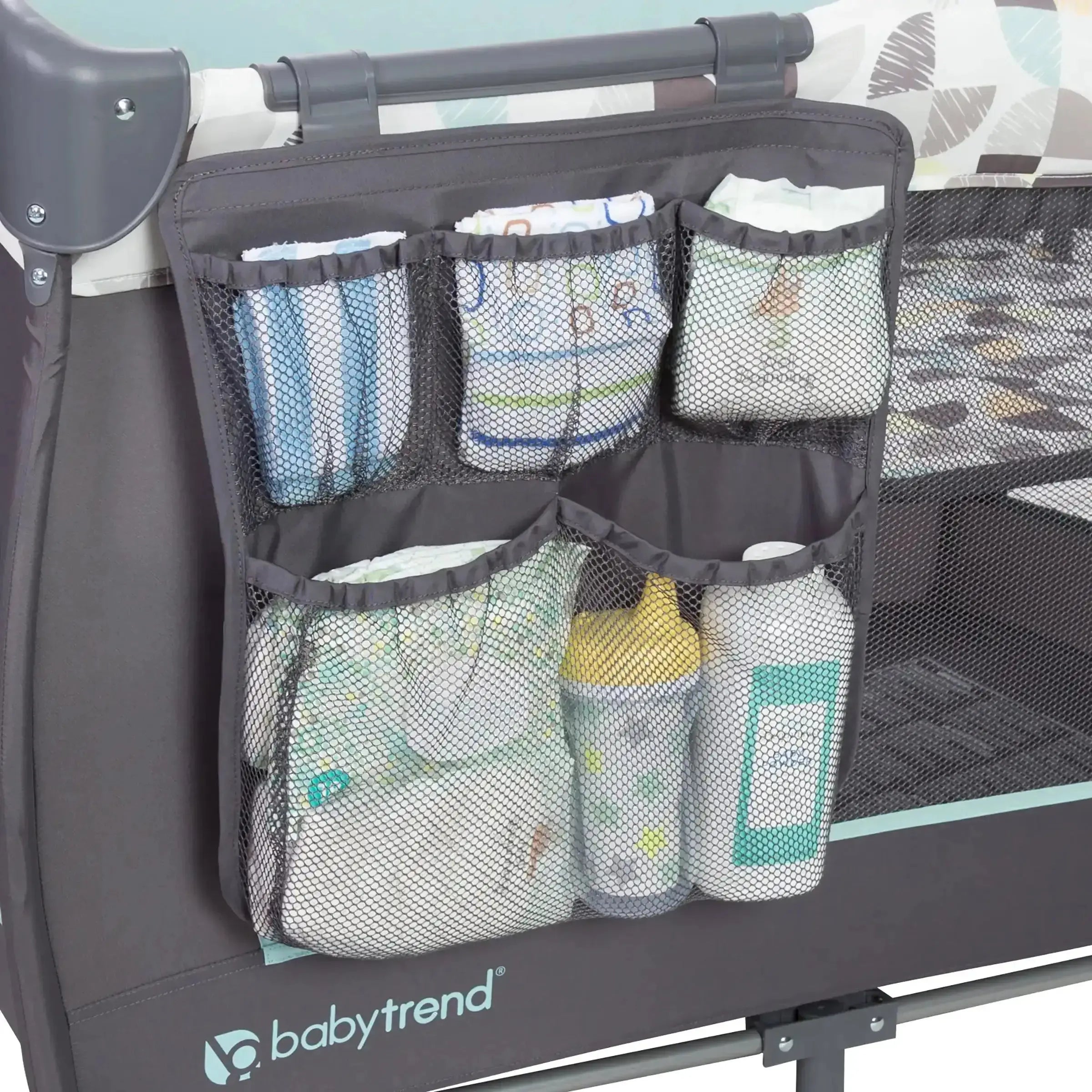
Small baskets, diaper caddies, or portable organizers make daily life much easier.
Feeding Station Supplies
Late-night feedings become smoother when essentials are already nearby.
Night Lights
A soft night light can make overnight diaper changes much easier without fully waking everyone.
Minimalist parenting does not mean being unprepared. It means focusing on practical needs instead of flashy extras.
What Can I Skip Altogether?
The things that look useful but are mostly just marketing. Here are items that are definitely not in the "necessary" category.
Wipe Warmers
Your baby will adjust to room-temperature wipes very quickly. These things breed bacteria and are entirely unnecessary.
Bottle Sterilizers
Many families simply use boiling water or dishwashers to clean and sterilize baby bottles.
Diaper Pail with Proprietary Bags
A regular small trash can with a lid and standard trash bags works perfectly. You don't need a subscription to a disposal system.
Multiple Strollers
Many families buy several strollers unnecessarily. One versatile model is often enough.

Newborn Shoes
Babies cannot walk. The shoes are cute but are not necessary. They also fall off constantly. Many parents prefer to just use socks.
A Baby Food Maker
A regular blender, food processor, or even a fork can do the exact same thing for a fraction of the cost.
Elaborate Nursery Decorations
Your baby cannot see well for the first several weeks and does not have opinions about shiplap. A safe, calm space matters. The aesthetic beyond that is entirely for the adults.
Excessive Toys
Babies are often more fascinated by household objects than expensive toys.
Most "Smart" Baby Gadgets
The $300 sock that monitors oxygen levels sounds reassuring, and for medically high-risk babies, monitoring is genuinely important. But for healthy full-term newborns, these devices are more likely to cause anxiety than prevent harm. Talk to your pediatrician about what actually makes sense for your situation.
How Can Minimalist Parenting Save Money and Reduce Stress?
The financial side of parenting can feel intimidating, especially for first-time families. Minimalism helps reduce unnecessary spending while encouraging smarter purchasing decisions.

Instead of buying dozens of trendy products, minimalist families often:
- Invest in durable multi-use gear
- Buy fewer but higher-quality items
- Accept secondhand baby products when safe
- Avoid impulse purchases
- Prioritize practicality over appearance
Minimalism also reduces emotional overload. When you're not constantly cleaning, storing, or reorganizing overflowing drawers, you have more time and mental space for bonding, resting, and enjoying your baby.
Baby Trend Essentials That Fit a Minimalist Lifestyle
For minimalist parents, the best baby products are the ones that simplify life without taking over the house. Multi-functional gear that adapts as your baby grows can help reduce clutter while still making everyday routines easier.
Several products from Baby Trend work especially well for families trying to keep things practical and streamlined during the first year.
Travel System
Baby Trend has a series of travel systems that help make life easier for new parents. The Baby Trend Passport® Seasons Stroller Travel System combines a stroller and infant car seat into one streamlined solution.
Instead of juggling mismatched pieces, you get a cohesive, easy‑to‑use setup that simplifies outings from day one. The stroller is lightweight, maneuverable, and folds compactly, which is ideal for parents who want functionality without bulk.

Bassinet/Crib/Playard
Many of Baby Trend's playards offer a comfortable sleep surface plus a play space in one compact footprint, which is exactly the kind of multi-use thinking that minimalist parents love.
The Baby Trend Lil' Snooze® Deluxe II Nursery Center Playard has an attached changing table and removable bassinet, making it an all-in-one station for diaper changes and naps.
Some parents may choose to remove the bassinet once baby has outgrown it and use the playard as a crib to save on space. It is also compact and portable, making it easy to bring with you when you travel.

Convertible High Chair
Parents looking for versatile feeding and activity gear may also appreciate products like Baby Trend's convertible high chairs.
The Baby Trend Everlast 7-In-1 High Chair grows with baby, starting with early feeding, then transitioning through several stages, including a toddler booster chair.

Choosing adaptable baby gear helps reduce unnecessary purchases while making everyday parenting routines simpler and more efficient.
Keep It Simple, Keep It Joyful
Minimalist parenting isn't about owning less for the sake of it. It's about creating space for what matters most. When you strip away the pressure to buy every gadget, you gain clarity, confidence, and calm.

Babies need love, safety, and connection far more than they need stuff. Start with the essentials, add only what truly helps, and trust that you already have what your baby needs most: you.
