


Creating a baby registry is fun and exciting, and it’s easy to get swept up in a world of adorable gadgets and trendy gear. But once your baby arrives, reality hits. You quickly realize some items are absolute lifesavers, while others just collect dust in a closet.
A practical registry helps you avoid clutter, reduce stress, and make sure the gifts you receive actually make parenting easier. By focusing on everyday functionality rather than trends or novelty, you’ll build a registry that works for your real lifestyle, not an idealized version of it.
Here is how to skip the waste and focus on what you'll actually use.
How to Build a Practical Baby Registry
A practical baby registry starts with your actual lifestyle, not a Pinterest board. Before you open a single registry website, sit down and walk through your daily routine as you expect it to look with a newborn.
Sleep setup: Will the baby be in your room, a nursery down the hall, or both at different points? This affects whether you need a bassinet, a crib, a playard with a bassinet attachment, or all three.
Travel habits: Do you drive everywhere, rely on public transit, or walk most places in a city? A heavy-duty travel system makes sense for car-centric families; a lightweight stroller and baby carrier might serve a walking family better.
Living space: A two-story home often benefits from duplicate essentials (a changing station on each floor, for example), while a small apartment benefits more from compact, foldable, or multi-use gear.
Support system: If grandparents or other caregivers will watch the baby regularly, you may need a second set of basics for their home.
Once you've mapped out your routine, prioritize true essentials, such as sleep, feeding, diapering, and transportation, before adding anything in the "nice to have" category.
It also helps to talk to parents who had a baby in the last year or two. Their memory of what they actually reached for daily (versus what looked good in the store) is some of the most reliable research you'll find. Ask them directly: "What did you use every single day?" and "What do you wish you'd skipped?"
A simple filter for every item you're considering: "Will this make daily life noticeably easier?" If you can't answer that quickly and specifically, hold off on adding it.

What to Skip on a Baby Registry
Every family is different, but certain items consistently end up unused or underused. Being selective helps you avoid clutter and frees up space for essentials.
Too Many Newborn-Size Clothes
Newborn outfits are irresistible, but most babies pass through this size in just a few weeks. Some skip it almost entirely if they're born on the larger side. Rather than stocking up on newborn-sized everything, register for a handful of newborn pieces and weight your list toward 3–6 month and 6–9 month sizes instead. You'll get far more wear out of clothes sized for the months when your baby is actually awake, alert, and going places with you.
Large Quantities of Blankets
Blankets are a default gift, which means you'll likely receive plenty even without registering for them. A few swaddle blankets and one or two cozy throws are genuinely useful; a dozen decorative blankets in different patterns mostly just need somewhere to live. Keep your registry blanket count modest and let gifted blankets fill in the rest.
Baby Shoes
Shoes are adorable but functionally pointless for a baby who isn't walking. They don't keep feet warm as well as socks or footed sleepers, and most babies kick them off within minutes anyway. Save shoe shopping for closer to the first birthday, when your baby is pulling up and starting to take steps.
Specialized Feeding Gadgets
Baby aisles are full of single-purpose tools, such as fancy formula dispensers, specialty warming devices, elaborate bottle-prep stations, that often just duplicate what a basic bottle, a few burp cloths, and a bottle brush already handle. Start with the simple version of your feeding setup. If you genuinely hit a snag a specialized product would solve, you'll know exactly what to buy once that need is real instead of guessing in advance.
Excessive Nursery Decor
A beautifully themed nursery is fun to plan, but registry space is limited and best spent on items you'll use multiple times a day. Wall art, decorative rugs, and themed accessories can be added gradually after the baby arrives.

Items to Think Twice About Before Adding to Your Registry
Some items aren't necessarily bad; they just deserve more scrutiny before they earn a spot on your list.
Products Based on Short-Term Trends
Baby gear trends move fast, and a product that's everywhere on social media this season may be forgotten in a year. That's not always a reason to skip it, but it is a reason to ask whether the appeal is the function or just the hype.
Items Without a Clear Purpose
If you're adding something because it seems clever rather than because you've identified an actual problem it solves, it's a strong candidate for the cut list. Every registry item should answer the question, "What specific moment in my day does this help with?"
Duplicates of Similar Products
It's easy to register for three different types of baby carriers or two competing bottle brands "just in case." Pick one well-reviewed option per category, use it for a few weeks, and only add a second version if you find a genuine gap.
Products You Can Easily Buy Later
Plenty of baby gear is available same-day at any big-box store or within a day or two online. If you're on the fence, you may want to leave it off the registry and buy it later only if a real need shows up rather than committing storage space and gift budget to a guess.
Common Baby Registry Mistakes
Even the most organized parents make mistakes when building a registry. The good news is that most of these are easy to avoid once you know what to look for.
Registering for too much
A long registry feels thorough, but more items rarely mean more convenience. They often mean more clutter, more decisions, and more stuff to manage during an already overwhelming season.
Not thinking about your lifestyle
A registry built around someone else's life (a different climate, family size, or living situation) won't serve you well. Build yours around how you actually live, not a generic checklist.
Forgetting about long-term use
Some items only work for a few weeks before your baby outgrows them. Instead, look for products that adapt as your baby grows, such as adjustable strollers, convertible car seats, and multi-stage toys.
Choosing items based solely on aesthetics
A gorgeous diaper bag that doesn't actually fit your essentials, or a beautiful glider that isn't comfortable for middle-of-the-night feeds, will frustrate you fast. Function first, then look.
Not considering your home layout
If you live in a multi-story home, you may actually need duplicates of a few small essentials, like a second diaper changing station so that you have one both upstairs and downstairs. Conversely, if you are in a single-level condo, compact, foldable gear is your best friend.
Overlooking the “hidden costs”
Some baby products require ongoing financial investments. Special diaper pails require proprietary plastic ring refills; certain bottle systems rely on frequent valve replacements; and high-tech monitors may require monthly app subscriptions. Always factor in these long-term maintenance costs.
Forgetting about your own needs
Registries tend to focus entirely on baby gear, but postpartum recovery items, including nursing supplies, comfortable loungewear, a good pillow for support, deserve a place on the list, too. Your recovery and comfort directly affect how well you can care for your baby.

What Baby Registry Items Are Worth Spending More On?
Smart registry planning often means trimming the extras, but there are a few categories where spending more tends to pay off because you'll use these items constantly, sometimes for years.
Travel Systems and Strollers
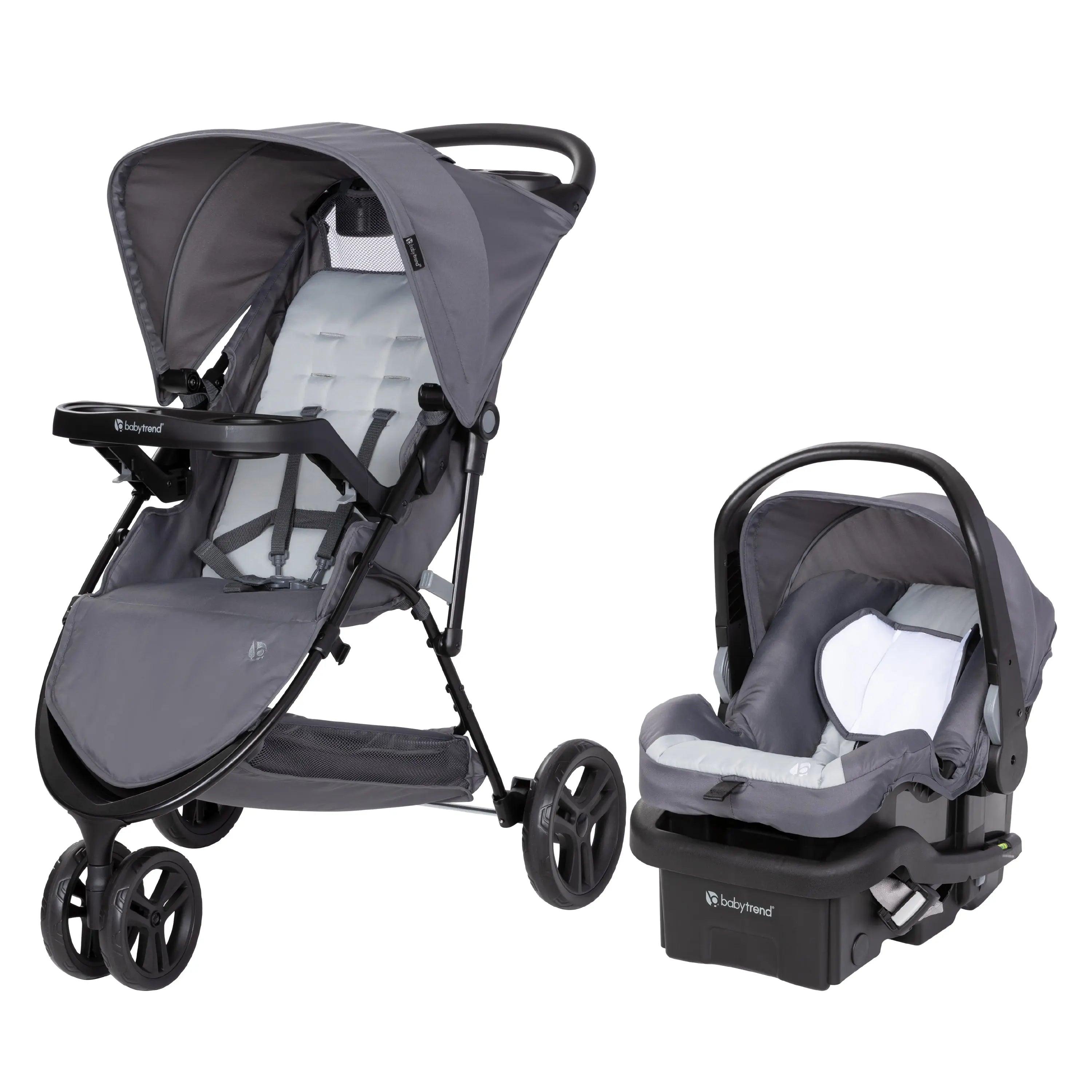
A stroller is one of the most-used pieces of baby gear for many families. Whether you're taking daily walks, running errands, or traveling, you'll likely use your stroller multiple times each week.
Investing in a premium, well-engineered travel system, such as the Baby Trend Venture 3-Wheel Stroller Travel System, will give you a seamless transition from car to sidewalk, structural durability, and modular features that adapt as your newborn grows into a busy toddler.
Car Seats
You'll use your car seat every single time you leave the house by car, starting on day one. That kind of constant use makes it worth researching features like adjustable harness systems, lightweight shells for easier carrying, and extended weight/height limits.
Convertible models, like the Baby Trend Cover Me™ 4-in-1 Convertible Car Seat, can carry a child through multiple growth stages, which often makes the higher upfront cost worthwhile over the years.

Playards
A quality playard can serve several purposes beyond simple playtime. Many models, such as the Baby Trend Nursery Den Playard, function as a portable sleep space, changing station, and travel solution. Because they often get used at home, during family visits, and on trips, a versatile playard can quickly become one of the hardest-working items in your baby gear collection.

High Chairs
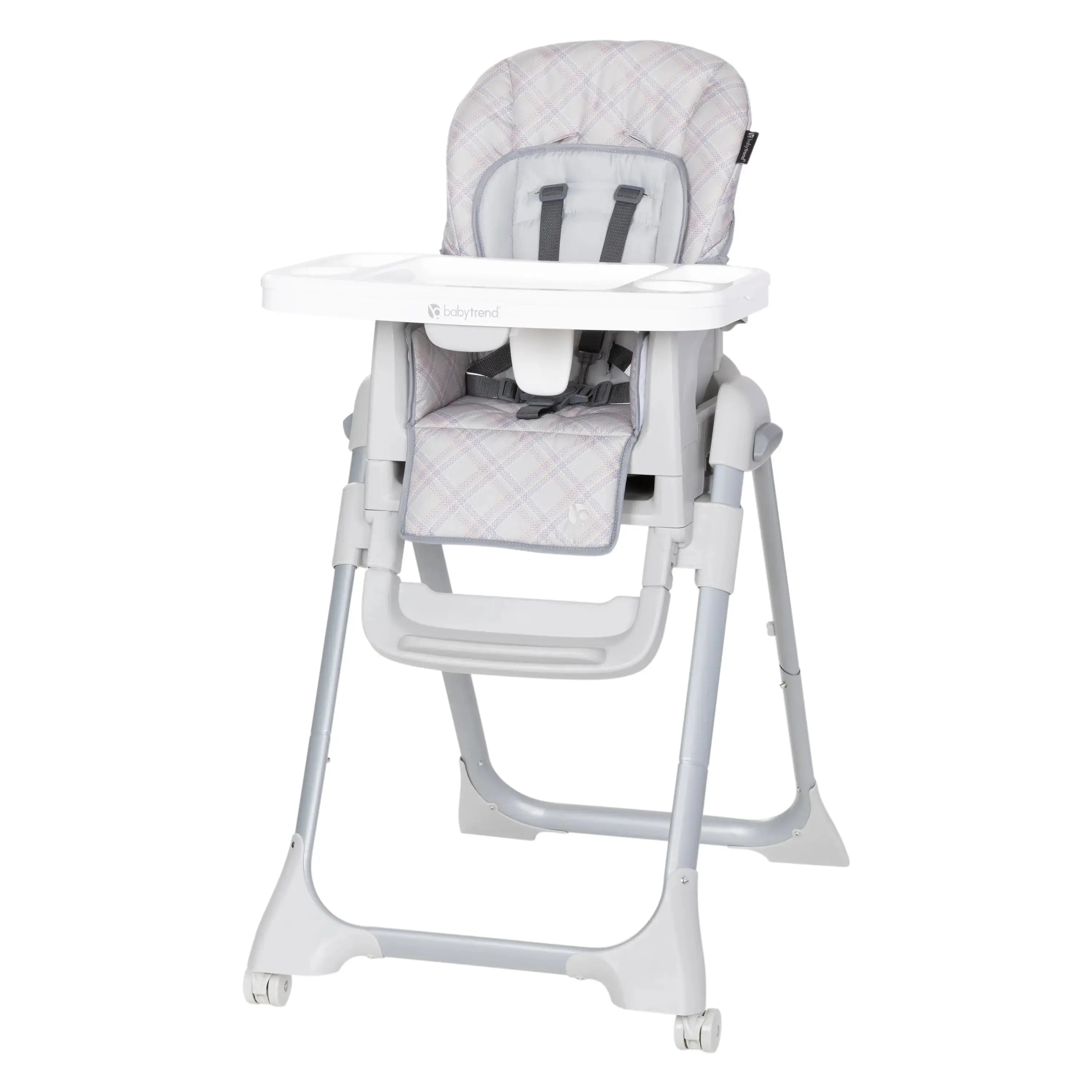
You won't need this one right away, but once solids start, it becomes a daily-use item for years. Look for a model with an easy-to-clean tray and seat material, adjustable height, and a sturdy base. Mealtime mess is inevitable, and a chair that's hard to clean turns three meals a day into a chore. The Baby Trend Everlast 7-In-1 High Chair features a removable tray, easy-clean materials, and various height and recline positions. It also has seven different modes to grow with your baby.
Nursery Furniture That Grows With Your Child
Instead of purchasing furniture designed for only one stage, consider products that offer long-term flexibility. Convertible cribs, dressers with changing toppers, and adaptable storage solutions often provide greater value than items that need to be replaced after a short period.
Focus on Value, Not Price
Spending more doesn't always mean buying the most expensive option. The goal is to identify products that deliver lasting value through frequent use, durability, and versatility. By investing thoughtfully in a few key categories while skipping unnecessary gadgets, you can create a baby registry that balances your budget with your family's real-world needs.
Is Quality More Important Than Quantity?
Many parents discover that a few high-quality products outperform a collection of lesser-used items. Instead of filling your registry with dozens of gadgets, focus on versatile products designed to support everyday parenting needs.
Quality baby gear often offers better durability, easier operation, and longer usability. This approach can reduce clutter while helping your family get more value from every purchase.
Alternatives to a Baby Registry
Traditional registries aren't the only option available to expectant parents. Depending on your preferences, there are several alternatives worth considering.
Request Gift Cards
Gift cards allow you to purchase items after your baby arrives, giving you flexibility to address actual needs rather than anticipated ones.
Create a Cash Fund
Some families prefer contributing toward larger expenses such as childcare, diapers, future educational costs, or major baby gear purchases.
Start a Diaper Fund
Diapers are one of the most frequently used baby necessities. A diaper fund can provide ongoing support throughout your baby's first years.
Ask for Experiences and Services
Friends and family may be willing to contribute meal delivery services, housekeeping assistance, postpartum support, or other practical resources.
Build a Minimalist Registry
Rather than eliminating a registry altogether, some parents choose a carefully curated but limited list of essentials while leaving room to purchase additional items later.
How Do You Know If an Item Belongs on Your Registry?
A useful rule of thumb is to evaluate every item using three questions:
Will I use this regularly?
Does this solve a specific problem?
Would I buy this myself if nobody gifted it?
If the answer to all three questions is yes, it's probably a strong registry candidate.
If you're uncertain, consider postponing the purchase until after your baby arrives. Many products can be obtained quickly when a genuine need becomes apparent.
Getting Ready for Baby
The best baby registry isn't the longest one; it's the one that reflects your family's real needs. By focusing on practical baby essentials, avoiding common baby registry mistakes, and skipping items you'll barely use, you can create a registry that reduces clutter and supports everyday parenting.
Remember that every family is unique, and there's no perfect registry formula. The goal is simply to make thoughtful choices that help you prepare for your baby's arrival without overwhelming your home or your budget.
