


The world of infant car seats can be overwhelming. New parents often wonder which one to choose, how to use it correctly, and when your baby will outgrow it. You're not alone. Every new parent faces the same questions, the same concerns, and the same desire to make the absolute safest choice for their child.
This guide breaks down everything you need to know about buying an infant car seat for your baby. Whether you're expecting your first baby or refreshing your knowledge for a new addition, you'll find clear, practical answers that help you choose and use an infant car seat with confidence.
What kind of car seat does an infant need?
Your newborn needs a rear-facing car seat, as required by law in all 50 states. This position provides optimal protection for your baby's fragile head, neck, and spine, which haven't fully developed yet. In a crash, rear-facing seats distribute the force of impact across the baby's entire back, rather than concentrating it on their neck and head.
There are lots of rear-facing seat options on the market. The most popular choice for newborns is an infant-only car seat, like the Baby Trend Secure-Lift Infant Car Seat.
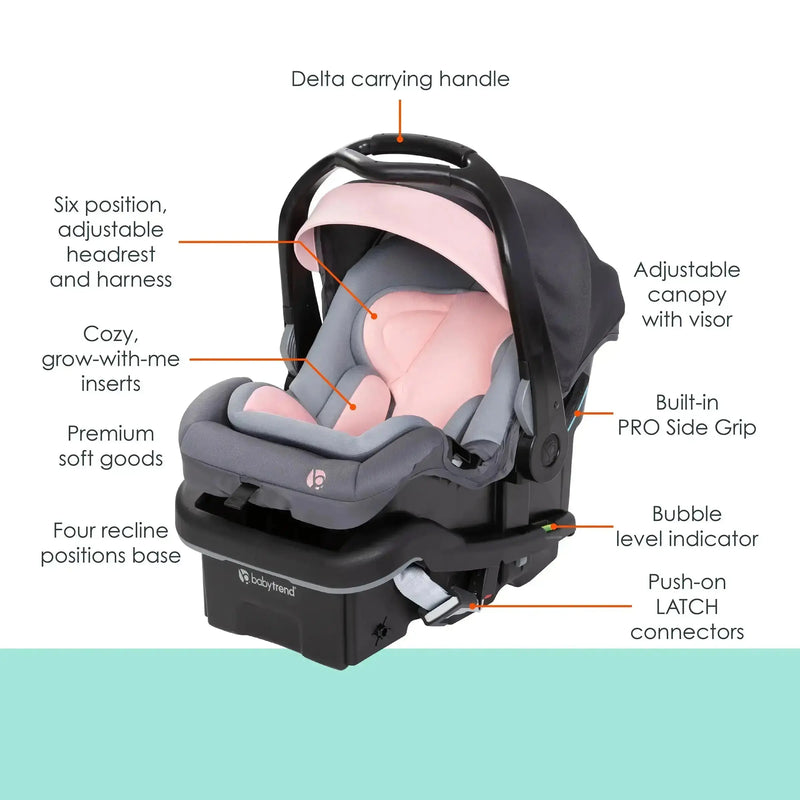
These are specifically designed to accommodate newborns up to about 30 pounds, depending on the model. The beauty of infant car seats is their portability. Infant car seats typically come with a base that installs into your car, and you can also get another matching base for a second vehicle. The model shown is the Baby Trend EZ-Lift™ Plus Infant Car Seat Base.
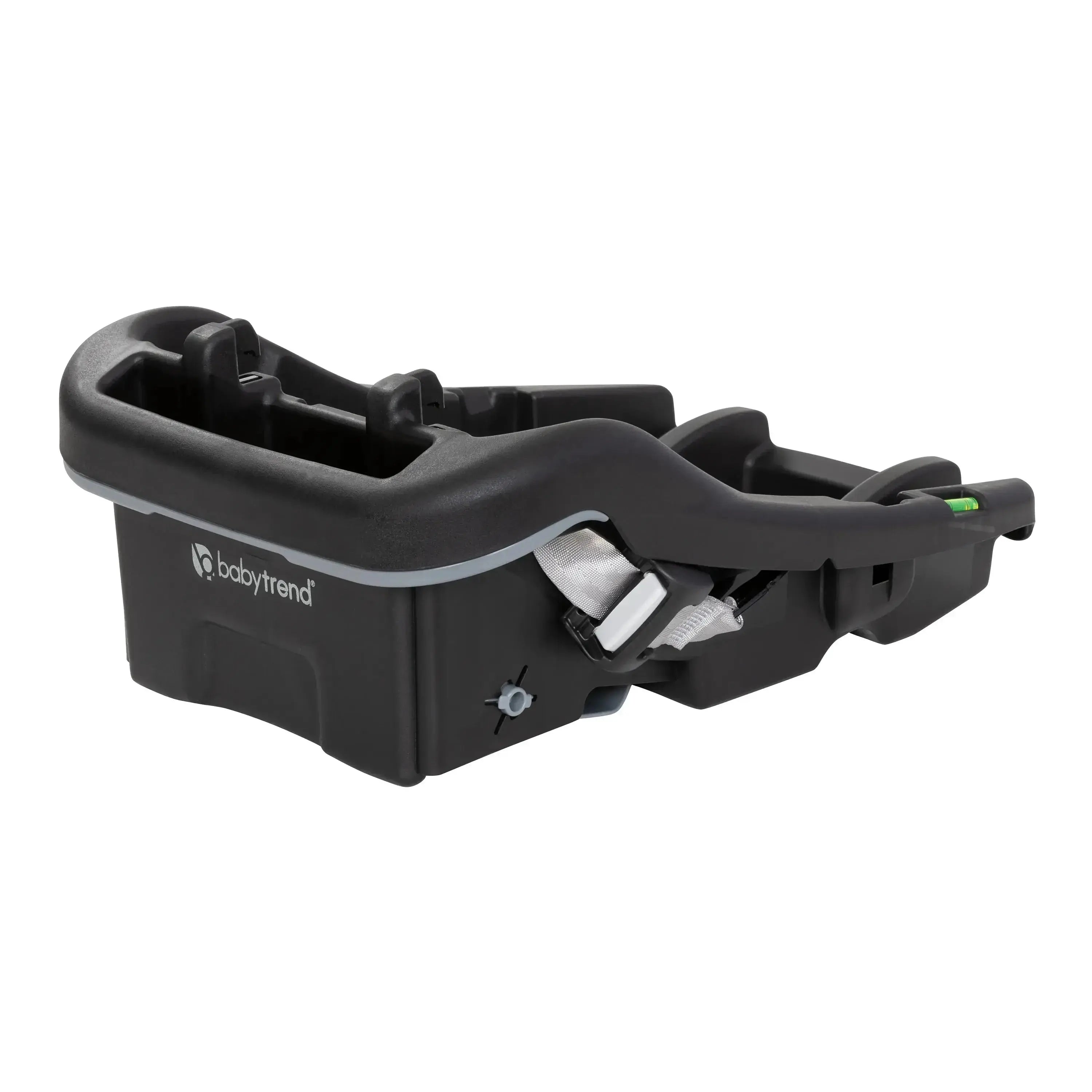
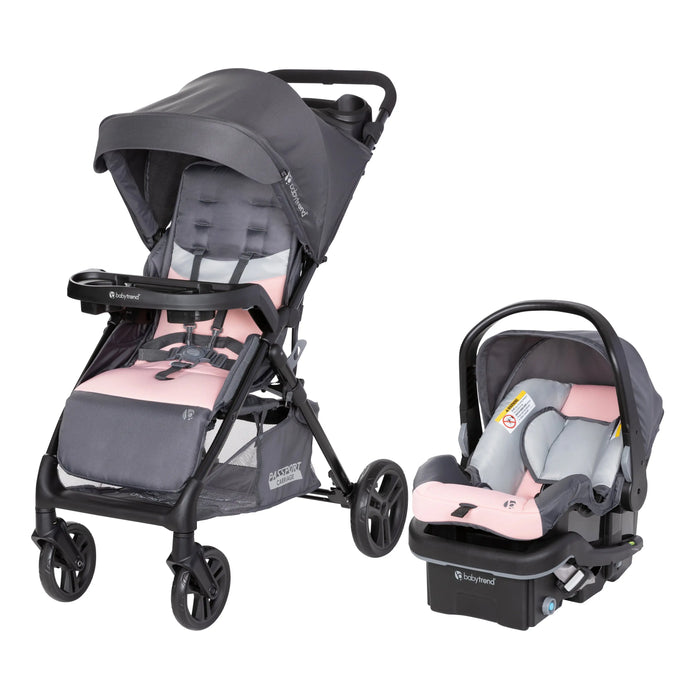
The base allows you to detach the entire car seat from your car without disturbing your baby, which is especially convenient if they are sleeping. You can also buy the matching stroller, called a "travel system" when the infant car seat and stroller are purchased together. The infant car seat snaps quickly and easily into the stroller, making for a smooth transition from car to stroller. The Baby Trend Passport® Carriage DLX Stroller Travel System is just one of many travel system styles and colors available on the market.
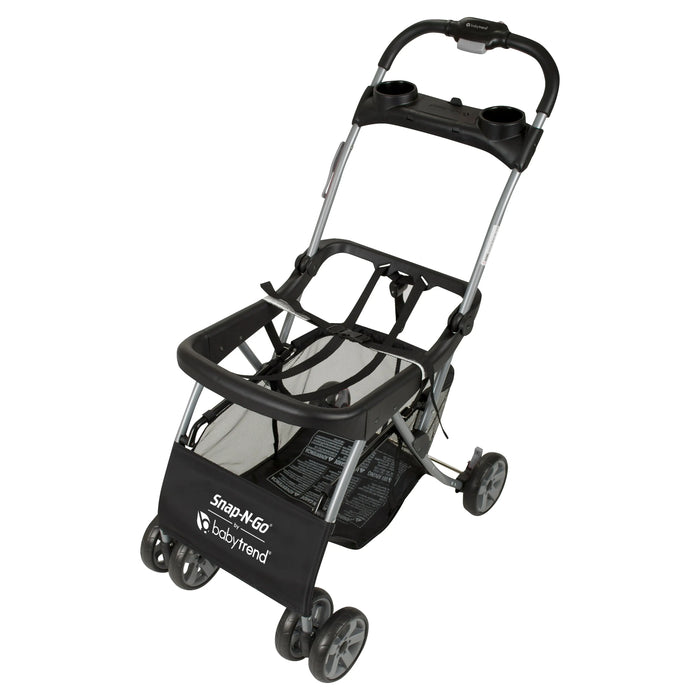
If you don't want a travel system, you can purchase a universal infant car seat carrier to use with your infant car seat, such as the Baby Trend Snap-N-Go EX Universal Infant Car Seat Carrier. This lightweight gear allows you to move and secure the infant car seat right into the stroller or carrier.
Alternatively, you can start with a convertible car seat used in the rear-facing position, such as the Baby Trend Trooper 3-in-1 Convertible Car Seat.
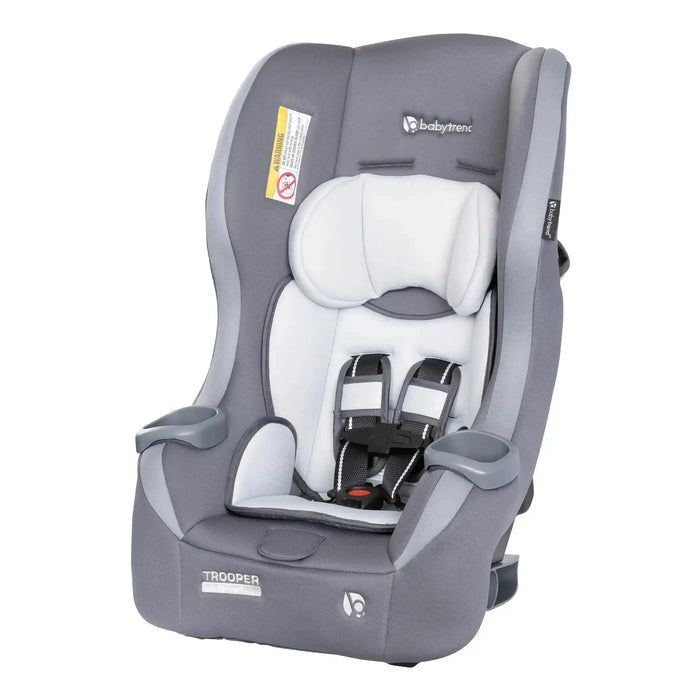
These larger seats stay installed in your vehicle and can later convert to forward-facing when your child is ready, potentially lasting until they're 4-7 years old. They typically allow for extended rear-facing use with higher weight limits (often 40-50 pounds rear-facing), which safety experts strongly recommend.
There's also the all-in-one car seat option, such as the Baby Trend Cover Me 4-in-1 Convertible Car Seat.

These versatile seats start rear-facing for infants and convert through multiple stages as your child grows: rear-facing, forward-facing with harness, and eventually a booster seat.
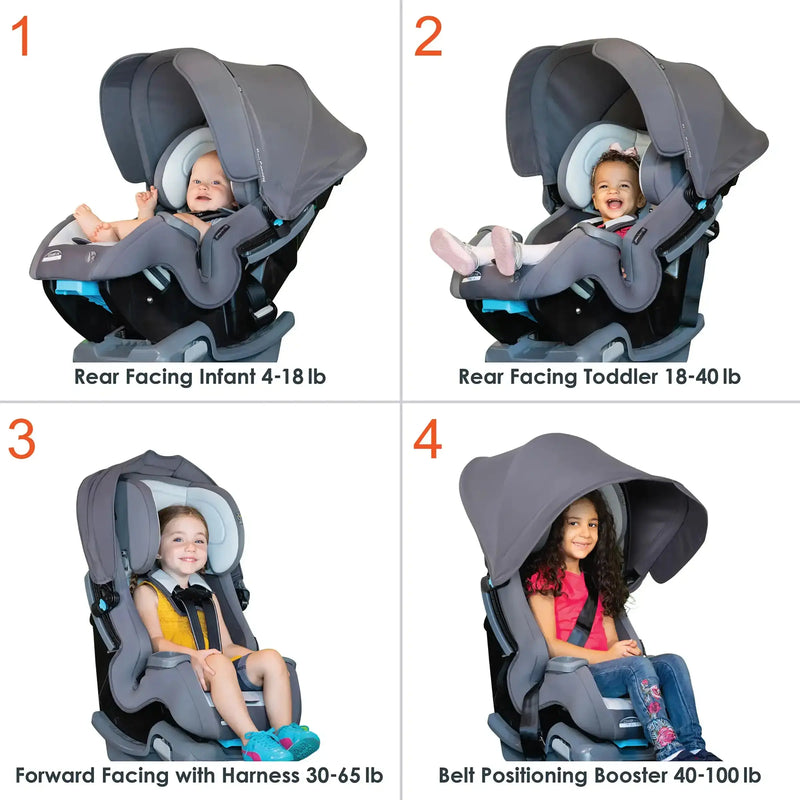
While these offer the longest lifespan, they're bulkier and less portable than infant carriers.
How long does an infant stay in an infant car seat?
Your baby's age matters less than their size when it comes to car seat transitions. Most infants will use an infant-only car seat for anywhere from 6 to 18 months, but this varies significantly based on the child's growth rate and the specific seat's limits.

Your baby has outgrown their infant car seat when they reach either the maximum weight limit or the maximum height limit specified by the manufacturer, whichever comes first. A critical visual cue: if the top of your baby's head is within one inch of the top of the seat shell, it's time to transition, even if they haven't reached the weight limit.
Most infant car seats max out between 22-35 pounds and around 29-32 inches in height, though these ranges vary by model. Some larger babies might outgrow their infant seat by 6-9 months, while smaller babies might comfortably use it until their first birthday or beyond.
| Specification | Typical Range | Notes |
|---|---|---|
| Maximum Weight | 22-35 pounds | Varies by model; most fall in 28-32 lb range |
| Maximum Height | 29-32 inches | Check your specific seat's label |
| Age at Outgrow | 6-18+ months | Highly dependent on baby's growth rate |
Timeline by Baby Size
| Baby Size | Typical Usage Duration | Outgrow Timeline |
|---|---|---|
| 🔵 Larger babies | 6-9 months | May hit weight/height limits earlier |
| 🟢 Average babies | 9-12 months | Most transition around first birthday |
| 🟡 Smaller babies | 12-18+ months | May use comfortably past first birthday |
The important principle: keep your child rear-facing as long as possible. When they outgrow the infant seat, transition to a convertible car seat that allows extended rear-facing use, rather than turning them forward-facing. Safety experts recommend keeping children rear-facing until at least age 2, and ideally until they reach the maximum rear-facing limits of their car seat.
What are the stages of car seats for babies?
Understanding car seat stages helps you plan ahead and make smart purchasing decisions. There are typically four main stages your child will progress through from birth to when they no longer need a car seat:
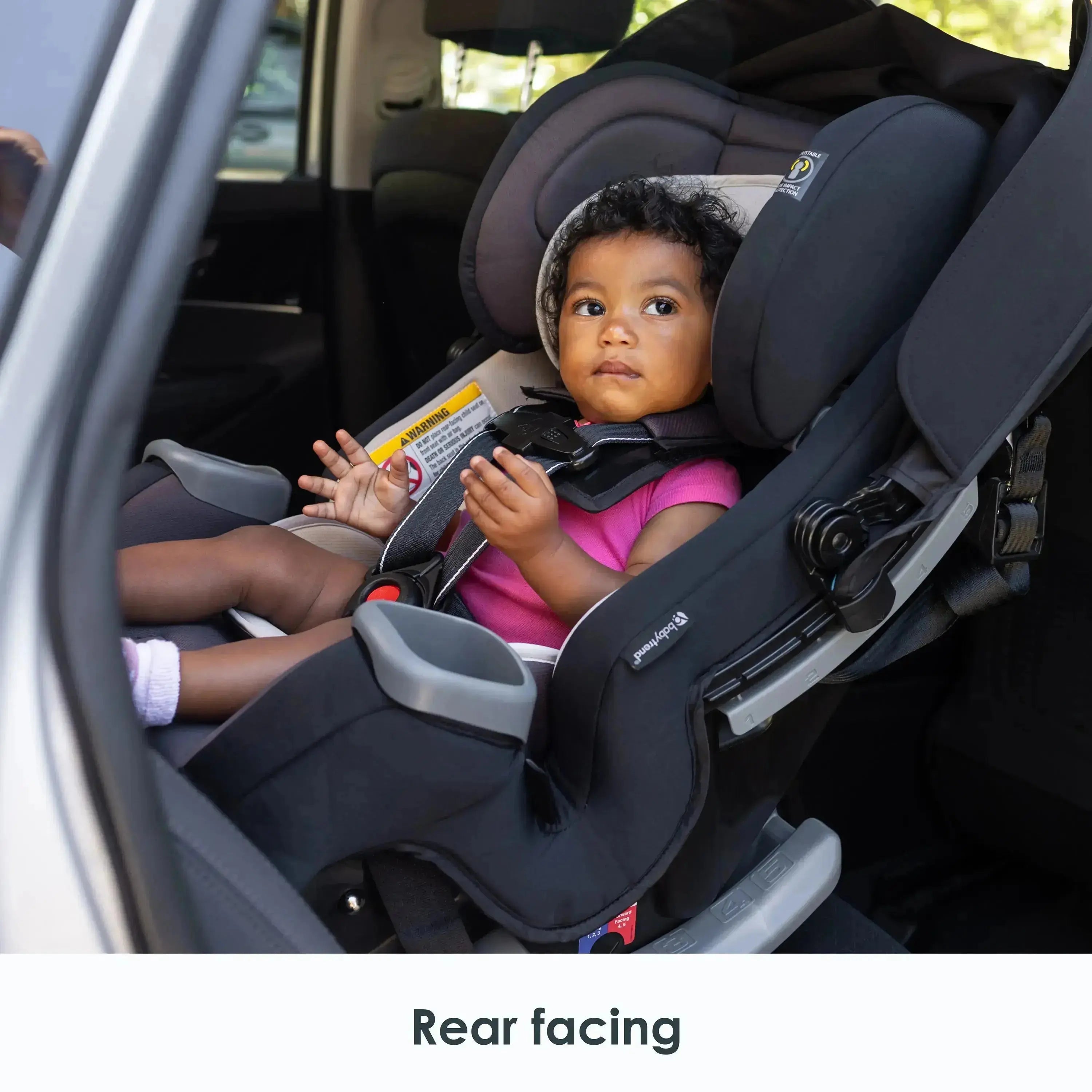
Stage 1: Rear-Facing Infant/Convertible Seat (Birth to 2+ years)
Whether you use an infant-only carrier or a convertible seat, your baby must ride rear-facing from day one. This stage provides the highest level of protection for their developing body. The rear-facing position protects your baby's head, neck, and spine by spreading crash forces across their entire back and preventing their head from snapping forward.

Stage 2: Extended Rear-Facing in Convertible Seat (Ages 2-4+)
After outgrowing an infant carrier, children should continue rear-facing in a convertible seat. Many modern convertible seats accommodate rear-facing children up to 40-50 pounds, allowing kids to remain rear-facing until age 4 or even 5. This extended rear-facing period provides superior protection compared to forward-facing.
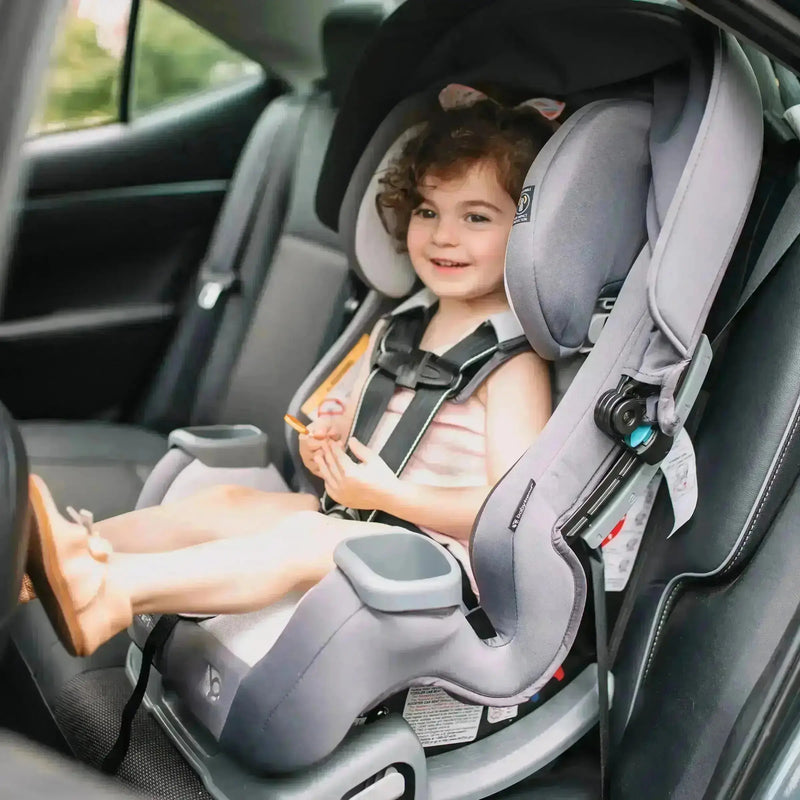
Stage 3: Forward-Facing with Harness (Ages 3-7+)
Once your child reaches the maximum rear-facing limits of their convertible seat, you'll turn it forward-facing. They'll remain in a five-point harness system, which is safer than using only the vehicle's seat belt. Forward-facing seats typically accommodate children from 20-65 pounds, depending on the model.
Stage 4: Booster Seat (Ages 4-12)
When your child outgrows the forward-facing harness, they'll transition to a booster seat. Boosters position the vehicle's lap and shoulder belt correctly across your child's body. Children typically need boosters until they're 4'9" tall and between 8-12 years old.

The timeline for these stages depends entirely on your child's size, not their age. Every child grows differently, so resist the temptation to move to the next stage before they've truly outgrown the previous one.
Do you put a baby seat behind a driver or passenger?
This is one of the most frequently asked questions, and the answer is more nuanced than you might expect. Here's the safest approach:
The ideal position is the center of the back seat, if your vehicle and car seat combination allow for a secure installation there. Statistics consistently show that the center rear seat is the safest position because it provides the maximum distance from any point of impact in a crash, especially side-impact collisions.
However, a correctly installed car seat is safer than a poorly installed seat in the "safest" position. Not every vehicle and car seat combination works well in the center position. Some cars have a raised hump, limited space, or lack LATCH anchors in the middle. Some car seats don't fit securely in certain center positions.
Wherever you install the car seat, it should not move more than one inch side-to-side or front-to-back when you push and pull firmly at the belt path. A rock-solid installation in an outboard position beats a loose installation in the center every time.
Always consult both your vehicle owner's manual and your car seat manual for guidance on approved seating positions in your specific vehicle.
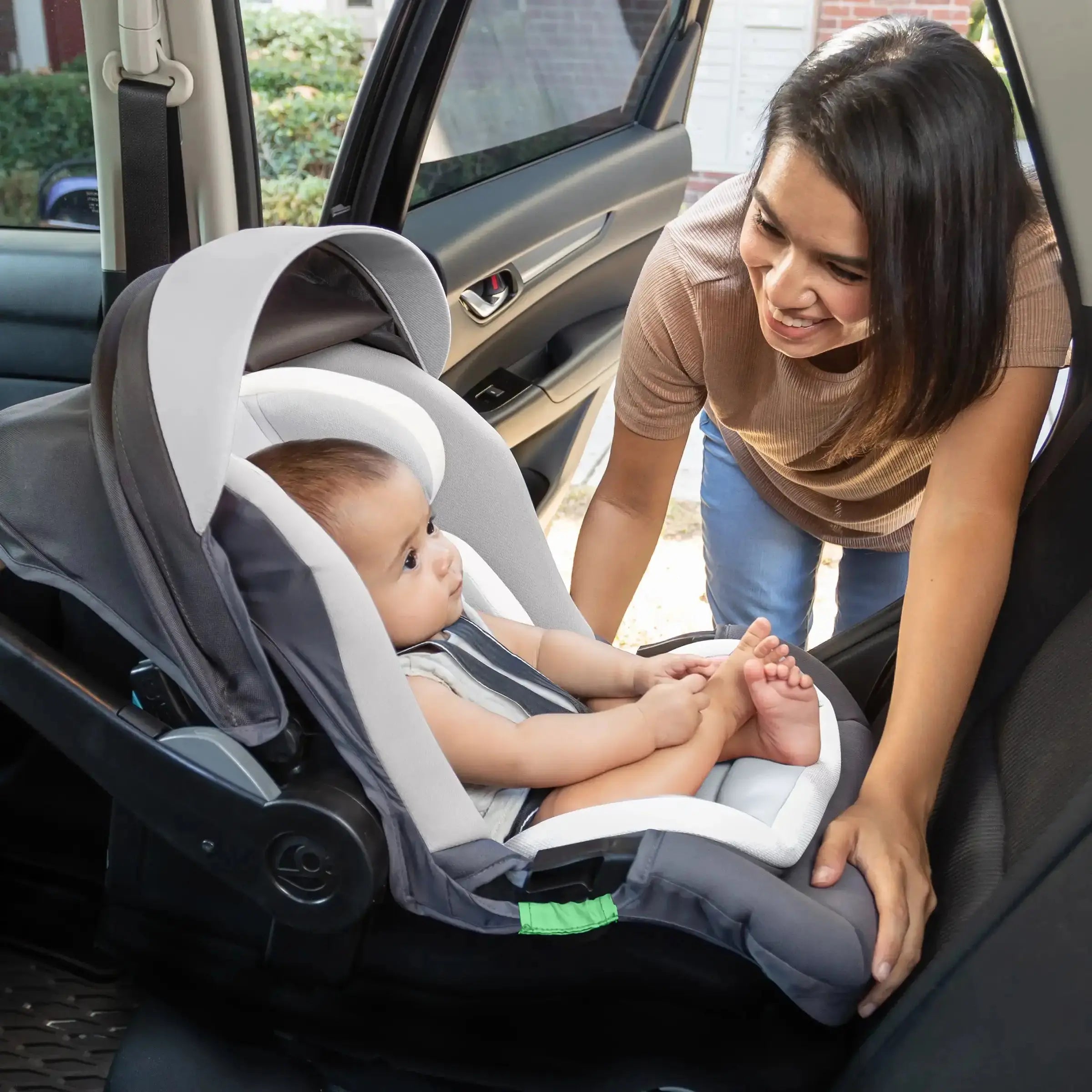
What features should I look for in an infant car seat?
When shopping for an infant car seat, certain features genuinely matter while others are just extras. Here's what to prioritize:
Safety Features (Non-Negotiable):
- Side-impact protection to safeguard your baby's head and torso
- Energy-absorbing foam that cushions crash forces
- Five-point harness system that secures at shoulders, hips, and between the legs
- Clear weight and height limits with some growth room
Installation Features (Critical for Daily Use):
- Easy-to-read recline indicators
- Simple LATCH connectors or straightforward belt routing
- Anti-rebound bar or load leg (available on some models) for additional stability
- Base that stays firmly planted without excessive movement
Convenience Features (Life-Savers for Parents):
- Adjustable harness system, ideally no-rethread
- Removable, machine-washable covers
- Comfortable, ergonomic handle for carrying
- Sun canopy with good coverage
- Level indicators for proper angle
Compatibility Features:
- Travel system capability if you want to click the seat onto a stroller
- Additional base options if you need to move the seat between vehicles
Don't get distracted by bells and whistles like built-in sound systems or fancy fabrics. Focus on proper fit in your vehicle, ease of correct use, and appropriate size limits. A moderately priced seat that you install correctly every time is infinitely safer than an expensive, feature-loaded seat that's complicated to use properly.
How do I properly install an infant car seat?
Even the safest, most expensive car seat on the market won't protect your baby if it's not installed correctly.
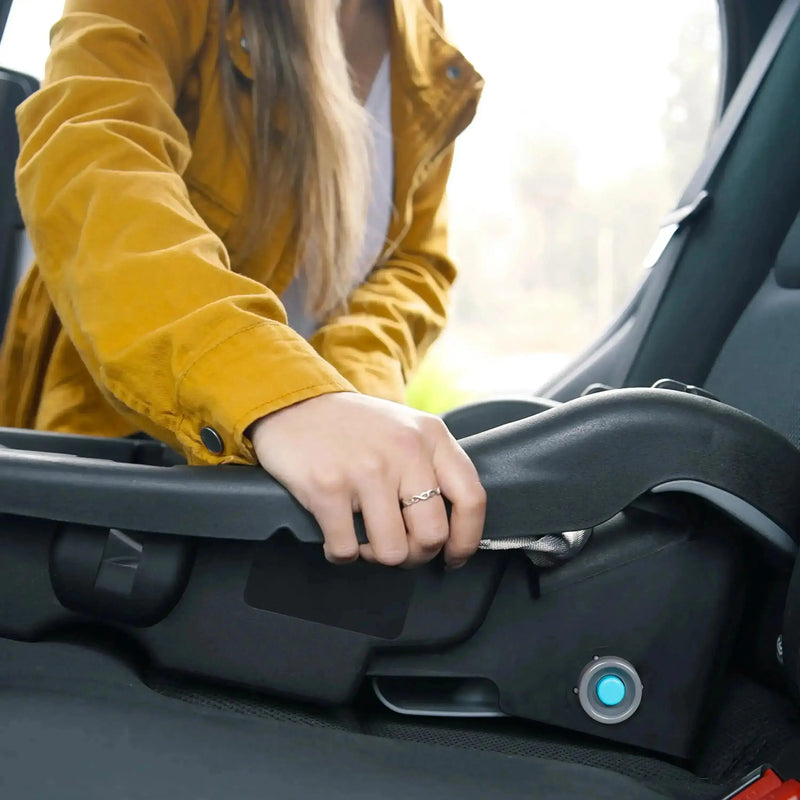
Here's your step-by-step guide:
1. Read Both Manuals
Start by thoroughly reading your car seat instruction manual and your vehicle owner's manual. They contain specific information about installation in your particular vehicle model.
2. Choose Your Installation Method
You have two options: the LATCH system (Lower Anchors and Tethers for Children) or your vehicle's seat belt. Never use both simultaneously unless your manuals explicitly permit it. Most infant seats come with a base that stays in your car, which is what you'll secure using LATCH or the seat belt.
For LATCH: Hook the connectors to the lower anchors in your vehicle and pull the strap to tighten. Make sure you're within the weight limits for LATCH (typically 35-65 pounds combined child and seat weight, but check your manuals).
For Seat Belt: Thread the belt through the correct path on the car seat base, buckle it, and pull the belt tight. Lock the belt according to your vehicle's mechanism (usually by pulling all the webbing out and letting it retract, or by engaging a locking clip).
3. Check the Recline Angle
Infant car seat bases have recline indicators. For newborns, you typically need a 30-45 degree angle to keep their airway open. As babies grow and develop better head control, you can adjust to a more upright position within the manufacturer's guidelines.
4. Perform the "Wiggle Test"
Grab the base at the belt path and try to move it side-to-side and front-to-back. If it moves more than one inch in any direction, it's not secure enough. Tighten and try again.
5. Install the Carrier
Once the base is secure, click the carrier portion onto the base. You should hear and feel a solid click. Give it a firm tug to ensure it's locked in.
6. Adjust the Harness
Place your baby in the seat. The harness straps should be at or slightly below your baby's shoulders for rear-facing. Buckle the harness and tighten the straps until you cannot pinch any excess webbing at your baby's shoulders; this is called the "pinch test." Position the chest clip at armpit level.
7. Get It Inspected
Consider having a certified Child Passenger Safety Technician check your installation. Many fire departments, hospitals, and police stations offer free car seat checks. This professional verification gives you invaluable peace of mind.
Finding the Right Fit: Baby Trend Offers Many Options
When you're weighing your options for an infant car seat, Baby Trend offers a reliable blend of safety, convenience, and value. Baby Trend has built a strong reputation for offering car seats that meet and exceed U.S. safety standards while remaining accessible to budget-conscious families.
What sets Baby Trend apart is their practical approach to features parents actually use. Their infant car seats typically include side-impact protection for your baby's safety, straightforward LATCH systems that make installation more intuitive, and thoughtful touches like removable, machine-washable seat covers that make cleanup after inevitable baby messes much easier. Many Baby Trend models, like the EZ-Lift™ and Secure-Lift, are also designed to work seamlessly with Baby Trend strollers, creating convenient travel systems without the premium price tag.
Common mistakes parents make with infant car seats
Even well-intentioned parents often make these critical errors:
Harness Too Loose
The number one mistake. If you can pinch the harness webbing at your baby's shoulder, it's too loose. Snug means snug; not uncomfortable, but tight enough that there's no slack.
Chest Clip Too Low or High
The chest clip should sit at armpit level. Too low and it won't restrain properly; too high and it could cause neck injuries.
Bulky Clothing or Blankets Under the Harness
Winter coats, snowsuits, and thick clothing compress in a crash, creating slack in the harness. Dress your baby in thin layers, buckle them snugly, then place blankets over the harness for warmth.
Rushing to the Next Stage
Bigger isn't better with car seats. Keep your child in each stage as long as possible before transitioning.
Not Registering the Seat
Always register your car seat with the manufacturer so you'll be notified of recalls.
When should you replace an infant car seat?
Car seats don't last forever. Replace your infant car seat in these situations:
After a Moderate or Severe Crash
Even if the seat looks fine, internal damage may have compromised its integrity. Many manufacturers recommend replacement after any crash; some allow reuse after very minor fender-benders with specific criteria. When in doubt, replace it.
When It Reaches the Expiration Date
Car seats typically expire 6-10 years after manufacture due to plastic degradation, wear, and outdated safety technology. The expiration date is printed on the seat itself.
If It's Been Recalled
If your seat is recalled, follow the manufacturer's instructions immediately.
If You Don't Know Its History
Never use a secondhand seat unless you're absolutely certain it's never been in a crash, hasn't been recalled, isn't expired, and has all original parts and instructions.
When Your Baby Outgrows It
Once your baby reaches the height or weight limits, the seat is no longer safe to use, even if it seems to fit.
Making the best choice for your family
Choosing an infant car seat is one of your first major parenting decisions, and it's natural to feel overwhelmed. But here's the truth: there's no single "best" car seat for every baby. The best car seat is the one that fits your baby, fits your vehicle, fits your budget, and most importantly, that you'll use correctly every single time you drive.
Whether you choose an infant carrier for convenience, a convertible seat for extended rear-facing, or something in between, what matters most is proper installation and consistent correct use. A $150 seat used perfectly is safer than a $400 seat installed incorrectly.
Trust yourself. Read the manuals. Get your installation checked. And remember that every car ride you take with your properly secured baby is a victory for their safety.
