


The first nights home with a newborn hit fast with zero sleep, a dozen questions, and one big decision: where should your baby actually sleep?
Parents want to make sure their baby sleeps in a place that is close and comfortable. This 2026 bassinet buying guide answers the most common newborn‑sleep questions and helps you choose the right first sleep space with confidence.
Do newborns really need a bassinet?
No, a bassinet is not a requirement for newborns, but many parents find one extremely helpful.
Bassinets are smaller and more portable than cribs, making them perfect for keeping your baby close by during those early weeks when frequent nighttime feedings and comforting are common. Their enclosed design can help newborns feel more cozy and calm.
According to sleep recommendations from the American Academy of Pediatrics, babies should sleep on a firm, flat surface in the same room as their parents for at least the first six months. While a bassinet can squeeze into a small space, the sleep surface you choose for your baby can be a crib or a playard that meets current safety standards.
Many playards have removable bassinets, such as the Baby Trend Lil' Snooze® Deluxe II Nursery Center Playard. This feature means you can use the playard as a sleep space once your baby has outgrown the bassinet.

How long can a baby stay in a bassinet?
Most bassinets are designed for use from birth until around three to four months old or when they reach 15-20 pounds. Some babies may be able to use their bassinet until about six months old. But the most important gauge of whether your baby has outgrown the bassinet is not age or weight, but mobility.
Bassinets are smaller and shallower than cribs. As babies grow stronger and more active, they need higher sides and more space to move safely. When your baby starts pushing up on their hands and knees, it's time to move on to a larger sleep space. Other signs it's time to transition include your baby outgrowing the space, rolling over, or seeming cramped. Always check the specific model's guidelines, as exceeding limits can compromise safety.
A good rule of thumb when buying a bassinet is to check:
- Maximum weight capacity
- Height recommendations
- Side height
- Manufacturer safety guidelines
Can a baby sleep in a bassinet all night?
Yes, babies can safely sleep in a bassinet all night, especially during the first few months. Bassinets are designed to meet safety standards for infant sleep, providing a firm, flat surface and breathable sides. However, it's important to ensure the bassinet is placed on a stable surface and free of soft bedding, pillows, or toys that could pose a suffocation risk.
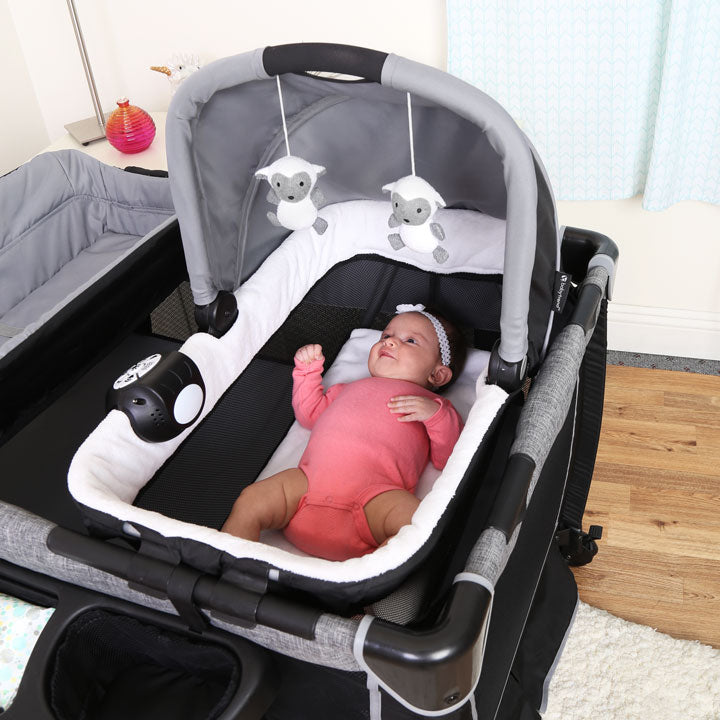
Sleep basics include:
- Baby placed on their back
- Firm, flat mattress
- No pillows, large blankets, bumpers, or stuffed toys
- Bassinet placed in parents' room, not in the adult bed
What is the newborn two-hour rule?
The newborn two-hour rule refers to the recommendation that newborns should be fed at least every two hours to ensure they get enough nutrition and maintain healthy weight gain. Newborns have tiny stomachs and need frequent feedings, so this rule helps parents keep track of feeding times and avoid long gaps that could lead to dehydration or low blood sugar. This frequent feeding schedule also supports breastfeeding success and helps establish a good milk supply.
Since newborns need to feed often, having a bassinet close to your bed makes nighttime and daytime feedings much easier and more convenient. This proximity allows you to respond quickly to your baby's hunger cues without fully waking up or moving far, which supports maintaining the two-hour feeding schedule and helps your baby thrive during these critical early weeks.
Once your baby is gaining well and back to birth weight, you can often let them wake naturally. But it's important to review your baby's progress at the check-in visits with your pediatrician or primary care provider.
Is a crib or bassinet better for baby?
One is not inherently better than the other. The answer to this question depends on your space, lifestyle, and preferences.
Benefits of a Bassinet
- Compact and space saving
- Easy to keep beside your bed
- Convenient for nighttime feeds
- Designed specifically for newborn size
Benefits of a Crib
- Longer usable lifespan
- No early transition required
- Often more economical long term
A bassinet is often ideal for the first few months, especially if you want your baby in your room but do not have space for a full crib. A crib, on the other hand, can serve from infancy through toddlerhood. Hybrid options like play yards with bassinet inserts offer the best of both.
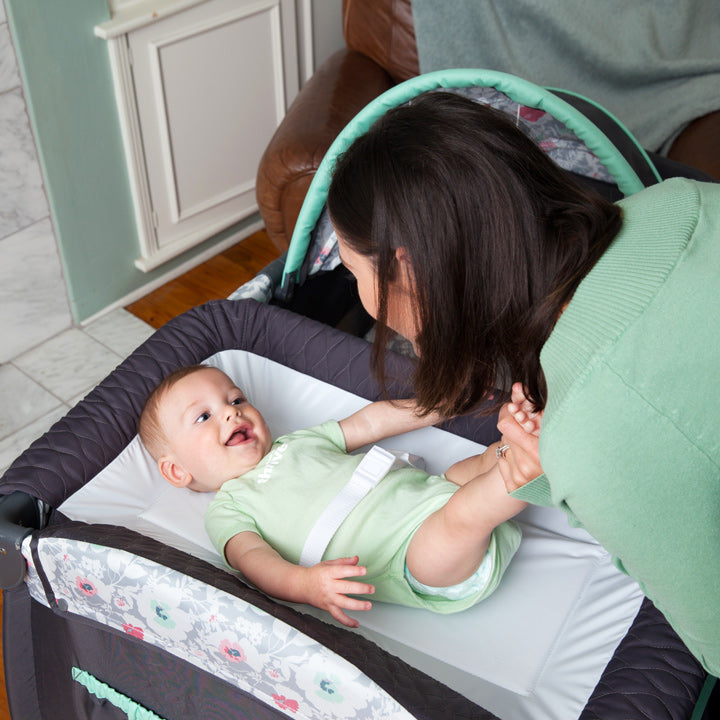
Some families skip the bassinet entirely and use a crib from day one. Others use a bassinet first, then transition to a crib around four to six months.
When choosing between a crib vs bassinet, consider:
- Bedroom size
- Budget
- Recovery needs after birth
- How often you expect to move the sleep space
There is no single "better" option. Ultimately, the best choice balances safety, convenience, and your family's unique needs.
How do you choose the best bassinet?
When searching for the best bassinet for newborns, focus on these factors:
1. Safety Standards
Make sure the bassinet meets current safety regulations. Look for clear manufacturer information and avoid secondhand models that may not meet updated guidelines.
2. Firm Mattress
The mattress should be flat and firm, with a fitted sheet designed specifically for that model.
3. Breathable Sides
Mesh sides improve airflow and visibility. Many modern bedside bassinets prioritize breathable construction.
4. Height Adjustability
If you want a bedside sleeper, adjustable height allows it to align properly with your mattress.
5. Portability
Some bassinets include wheels, folding frames, or lightweight designs that make it easy to move between rooms.
6. Storage Features
Built-in storage baskets can hold diapers, wipes, and burp cloths, which can be helpful during nighttime changes.
The best bassinet for your baby is one that fits your space and supports sleep, not necessarily the one with the most features.
Why Baby Trend Bassinets Are a Great Choice
When it comes to choosing a bassinet, Baby Trend offers a range of high-quality options designed with both baby's comfort and parents' convenience in mind.
The Baby Trend Quick-Fold 2-in-1 Rocking Bassinet is compact and folds easily for easy portability. It also has a gentle rocking feature that can soothe fussy babies after late night feeding sessions.

Many Baby Trend playards also include removable bassinets, changing tables, and storage, such as the Baby Trend Simply Smart™ Nursery Center® Playard.

These accessories and features make them multipurpose command centers for caring for your baby.
Choosing a Bassinet with Confidence
Shopping for a bassinet can feel overwhelming because it connects directly to your baby's safety and sleep. But here is the reassuring truth:
- You do not need the most expensive model.
- You do not need every feature.
- You just need a safe, flat, firm sleep space that works in your home.
Whether you choose a bedside bassinet, a portable model, or go straight to a crib, your baby's sleep setup is about balance: safety, convenience, and peace of mind.
Those first nights at home will be full of feedings, diaper changes, and moments where you check on your sleeping baby. A thoughtfully chosen bassinet can make those nights a little smoother.
